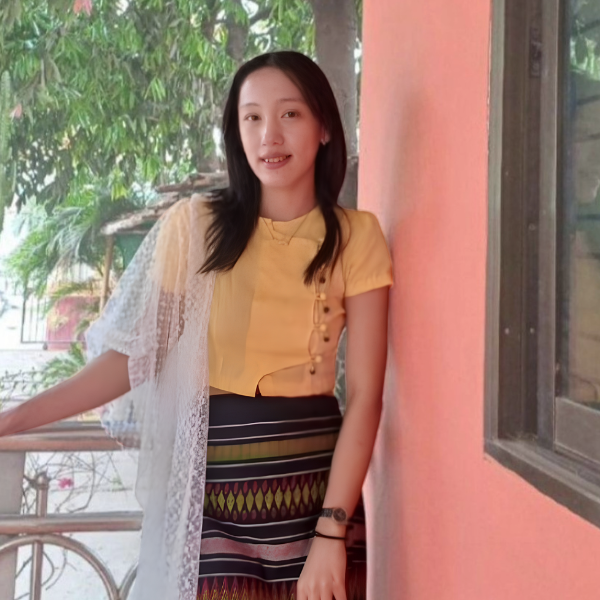
Johanah Co
Type 1 Diabetes Advocate
Edited: 27.08.2026


Being diagnosed with Type 1 Diabetes (T1D) changes your life. It’s more than just needles or sugar levels. It’s about facing fears, breaking through stigma, and rediscovering strength, especially across Asia, where resources can be limited and understanding is still growing. And yet, here we are, still breathing, still holding on, still thriving.
“I lived alone in a remote, hilly village, far from my family. At 25, my body began to fail, and no one knew why. For six months, I endured test after test but got no answers. Every night, I whispered the same prayer: ‘If I’m going to die, please let me be near my loved ones.’ The pain of not knowing was the hardest part.” — Rekha Negi, T1D since 2017, India.
“I was 13. I ate well, was active, and rarely got sick. Then one day, I couldn’t stand up. My vision blurred. My father took me to hospital, and the doctor said, ‘You have T1D. It’s for life.’ I didn’t understand how deeply that would change me. Hypo and hyper episodes made schooling difficult. People from school have little understanding. I felt like a stranger in my own body.” — Johanah Co, T1D since 2001, Philippines.
These stories remind us that while our paths may differ, our pain can strike a new beginning.
In Southeast Asia and other low-resource settings, children with T1D often face life-threatening challenges. Misdiagnosis or late diagnosis is common, especially in less accessible or provincial areas where trained health workers and diabetes education are limited. Without early understanding of the condition, access to insulin, and proper follow-up care, many children may not survive longer than a year from diagnosis (Ogle et al., 2018).
Poverty, weak health systems, and the lack of clear, local-language education add to the struggle. Many families are left to manage T1D on their own, without the support or tools they need (Chan et al., 2020; Ng et al., 2022). But this can change. With timely diagnosis, affordable insulin, and strong community support, children can live full and healthy lives. No child should die from a condition that is manageable with the right care.
“At 21, I was a professional dancer. When I got diagnosed, I lost 12 kilos and had to stop dancing. I quit my job, unsure of what life would be like. I blamed T1D. I cried at night and battled depression for months. My family was scared and confused. Some believed insulin was dangerous or shameful. That first month was hard with daily injections, wild blood sugar swings, and constant emotional stress. I felt weak and alone, like my body had betrayed me. But slowly, I began to learn, to speak, and to support others. That’s when healing started to feel possible.” — Jyotsana Rangeen, T1D since 2015, India
“It took me years to accept T1D. I used to blame it for everything that went wrong. There were moments I felt hopeless. I didn’t want to live anymore. But a scary low blood sugar episode woke me up. It taught me that I can’t run away from my T1D, rather, I must live with it.” — Johanah.
There’s no perfect nor universal formula, but many people thriving with T1D share common habits. These simple practices can make a big difference:
Aim for more time in range (TIR). Try to keep your blood sugar between 70–180 mg/dL (3.9–10.0 mmol/L) for at least 70% of the day, that’s almost 17 hours. This supports better energy and daily stability (Endocrine Society, 2022).
Pre-bolus insulin. Take insulin 15–30 minutes before eating high-carb meals.
Eat fibre-riche local food. Think mung beans, papaya, tofu, leafy greens, brown, black, or red rice (beras merah in Indonesia), and sweet potatoes. They can help control blood sugar (Zeng et al., 202).
Use tools and technology that help. Food tracking apps or platforms like ChatGPT can support carb counting and meal planning. Tools like CGMs and insulin pumps, when accessible, can help improve blood sugar management. But even without them, consistent monitoring, insulin, and self-care routines can make a big difference.
Work closely with your healthcare team. Review your insulin-to-carb ratio, insulin sensitivity, portion sizes, correction doses, and activity levels regularly. Don’t be afraid to ask questions.”
Watch out for hidden sugars and salty sauces. Salty, sweet, or spicy sauces can make you eat more rice or carbs than planned. Spicy foods may also boost your appetite.
Be ready wherever you go. Keep your insulin, glucose meter, water, and snacks with you. Bring your emergency kit and rest when needed—even a short nap helps.
Connect with others. Finding a diabetes support group, online or offline, makes a big difference. Try communities like HelloType1 or deDOC.org.
“I was told to inject insulin, check my sugar, and move on. That felt like surviving. But I wanted more. I wanted to live fully. I love adventure, and I didn’t want T1D to stop me. That’s why I started the Uttarakhand Diabetes Awareness Initiative (UDAI). We help children get early diagnosis, insulin, education, and emotional support. Today, our work has reached over 500 people, all for free. Hardships were plenty. But what stayed with me was the strength I found. I’ve cried, doubted myself, and worked through exhaustion. But purpose gives my pain meaning. No one should face T1D alone—without support, guidance, or community.” — Rekha.
At UDAI, Rekha witnessed what truly helps people living with T1D thrive — both children and adults:
Family support builds confidence. Children feel safer and more secure when they’re understood at home.
Education empowers. Learning how insulin works and what to do daily makes life more manageable.
Purpose turns pain into strength. Helping others brings healing and meaning.
Community creates connection. Being around people who understand reduces isolation.
Thriving takes effort. But with the right support, it’s possible to live fully, not just survive.
Seeking help matters. If family, friends, or teachers don’t understand, reach out to a doctor or peer who can explain.
“The hardest times of my life made me who I am. I speak up not because everything is perfect now, but because I want others to find help earlier than I did.” — Rekha.
“I hid my diabetes for years because of stigma. But once I accepted it and shared my journey, I felt free. I landed a job, joined a dance troupe, and started posting dance videos. The first one after my diagnosis hit a million views. That gave me the confidence to believe that T1D isn’t the end. I can still dream, grow, and chase my goals. What once felt like a burden became a bridge to others. I’ve learnt I can’t change my condition, but I can choose how I live with it.” — Jyotsana.
“I thought I was different and alone. But when I entered the diabetes world, I found healing, connection, and strength. It’s a gift to #payitforward even when no one is watching." — Johanah.
According to the International Diabetes Federation Diabetes Atlas (Magliano et al., 2025), over 588 million people around the world live with diabetes. The numbers may be rising, but so is our courage.
T1D may be lifelong, but it doesn’t define you. With the right tools, daily habits, support systems, and a strong mindset, every struggle can become a stepping stone.
What bold step will you take today?
Choose one small habit that empowers you. Talk to someone who truly understands. Rest. Relearn. Rise again. You are more than a diagnosis. You are a warrior. Your story matters. Keep going.
 Disclaimer:


UK registered charity no. 1166447
9 Parkfield Road, Taunton, Somerset
TA1 4RL, United Kingdom
admin@action4diabetes.org


 Close this window


 Back to homepage


