Professor Dr Winnie Chee
Consultant Dietitian and Professor at IMU University, Kuala Lumpur, Malaysia
Edited: 27.08.2026


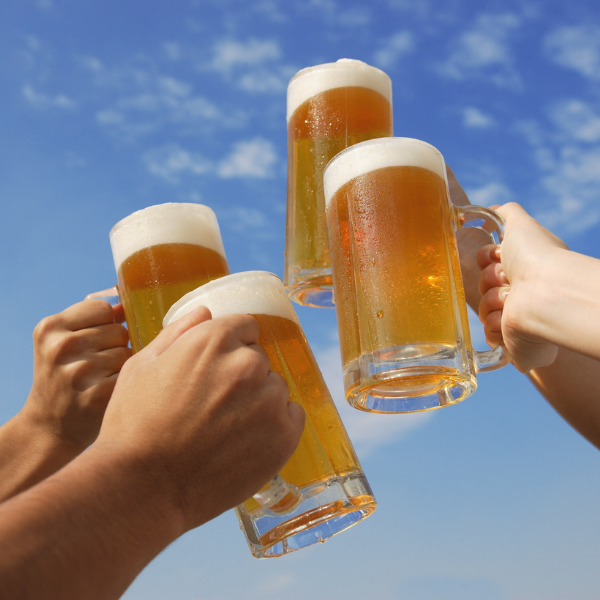
Alcohol is a commonly used recreational drug. Available legally dependent on your age and location.
Please check the local laws about alcohol consumption and the legal drinking age.
Like all drugs, alcohol has risks, and it can have negative impacts on everyone's health, wellbeing, and relationships.
Drinking too much alcohol can lead to poor decision making and makes you more vulnerable.
The connection between type 1 diabetes and alcohol is when you have Type 1 Diabetes, you can still drink alcohol but there is a higher risk of your blood glucose levels becoming unstable.
It is important to know about these risks so that you can prevent and avoid dangerous situations.
Alcohol can affect your blood glucose levels, which may cause hypoglycaemia.
Different types of alcohol affect blood sugar in different ways. e.g., beer and sweet wine have a lot of carbohydrates which will raise blood sugar. Hard liquor (e.g., whiskey, vodka and gin) can cause hypoglycaemia. This is why it is important to be mindful of type 1 diabetes and alcohol.
When you drink alcohol, your liver prioritises breaking it down. This stops your liver from releasing glucose into your bloodstream a process it normally carries out continuously to prevent your blood glucose from dropping. Because insulin (both long-acting and any rapid-acting insulin still on board) continues working while the liver’s glucose release is suppressed, your blood glucose can fall dangerously low.
Whilst your liver is busy eliminating alcohol from your body, your liver stops releasing the glucose, which places you at a risk of hypoglycaemia during drinking Your blood glucose levels can first rise from the sugar content in some alcoholic drinks and then lower once your liver starts processing the alcohol.
You/your friends may not notice the signs and symptoms of hypoglycaemia because it can seem the same as being drunk.
This makes it difficult for you or your friends to detect hypoglycaemia and you may miss it. This is dangerous because you may not get the right help fast enough.
Signs and symptoms of hypoglycaemia can include feeling shaky, sweating, dizziness, headaches, crying, grumpiness, hunger, drowsiness, confusion, fast heartbeat and numbness around the lips and fingers.
If you feel these symptoms, check your blood glucose immediately. If it is below 3.9 mmol/L (70 mg/dL) treat immediately using the 15-15 rule: take 15g of fast-acting carbohydrate (e.g. 3–4 glucose tablets, 150mL of regular soft drink, or fruit juice), wait 15 minutes, recheck your blood glucose, and repeat if still low. Always carry fast-acting glucose with you when drinking.
For more information on how to identify and treat hypoglycaemia, see our article here
One important tip regarding type 1 diabetes and alcohol is that you need to check your blood glucose; before, during and after drinking.
As you are more at risk of hypoglycaemia when you are out especially if you are dancing or more active than usual!
Make sure at least one person with you knows you have Type 1 Diabetes and how to treat hypoglycaemia and to remind you to check your blood glucose levels.
Eat some carbs before drinking and never drink on an empty stomach.
Continue to eat some carb snacks every few hours while you are drinking.
Another important thing to remember about type 1 diabetes and alcohol is that you need to drink slowly, pace yourself and consider drinking one glass of water after every alcoholic drink.
Learn the carbohydrate content of what you are drinking.
Premixed drinks can raise your blood glucose levels too high after drinking. It is best to avoid these drinks as this makes it difficult to know the sugar content.
Never stop taking Insulin.
Check your blood glucose levels before going to bed.
Alcohol can suppress your liver’s glucose release for up to 12–16 hours after you stop drinking, meaning you remain at risk of hypoglycaemia during sleep. Eating a carbohydrate-containing snack before bed and setting a blood glucose alarm are especially important after drinking.
Have a ‘Hypo Kit’ or treatment within reach of your bed so you can take it during the night if needed.
Set an alarm or ask a family member to check your blood glucose levels during the night."
Stay hydrated the following day and continue to monitor your blood glucose levels and take insulin as usual.
You should not drink alcohol when it is not your choice to drink, or if you feel pressured into drinking alcohol. Type 1 diabetes and alcohol is a tricky thing to manage, so if you can avoid drinking alcohol, you should do so.
When your diabetes control is varied and you experience high and lows of blood glucose levels often.
If you have nerve or eye damage related to your Type 1 Diabetes.
If you are managing your weight, it is worth knowing that alcohol is calorie dense and can contribute to weight gain. It also increases the risk of liver disease and cardiovascular complications Speak with your healthcare team about how alcohol fits into your overall health plan.
Never drink on an empty stomach. Always ensure you have had some carbohydrate in a meal or snack before you start drinking.
Never drink alone. Tell a friend, who knows you have Type 1 Diabetes.
They can watch out for you if you decide to drink.
 Disclaimer:


UK registered charity no. 1166447
9 Parkfield Road, Taunton, Somerset
TA1 4RL, United Kingdom
admin@action4diabetes.org


 Close this window


 Back to homepage


