Dr.Zaw Win
M.B.,B.S (Ygn), for diabetes in children and adolescents

Edited: 14.10.2026


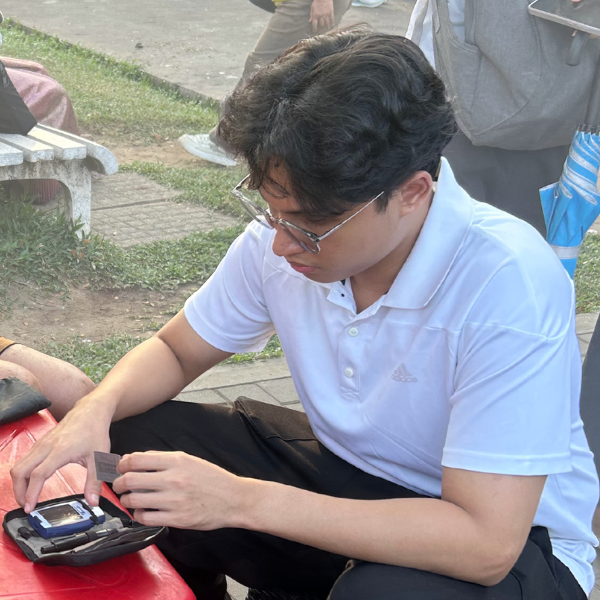
Once diagnosed with diabetes, it is important to identify the specific type. Broadly speaking, this can often be determined by age: Type 2 diabetes is common in middle-aged and older adults, whereas Type 1 diabetes typically affects children. While there are other types, let us focus on how to manage Type 1 diabetes.
The onset and diagnosis of Type 1 diabetes can occur under various circumstances. Some people discover it during medical consultations for symptoms like fever, frequent urination, or excessive thirst. Others find out while visiting an eye clinic due to vision problems, or after kidney damage has already occurred. In some severe cases, the diagnosis is made only after the patient is hospitalized in a state of unconsciousness caused by diabetic ketoacidosis—a condition resulting from a critical lack of insulin.
Regardless of how Type 1 diabetes is diagnosed, the crucial step is learning how to manage the condition effectively so that one can live a healthy life free from serious complications.
The key to addressing all these challenges lies in maintaining proper control of blood sugar levels. Carefully managing your blood sugar levels over the long term can effectively prevent diabetes-related complications—such as eye damage, chronic kidney disease, and ketoacidosis caused by insulin deficiency—thereby enabling a long and healthy life.
So, how can you effectively manage your blood sugar? You might be wondering, "I inject insulin carefully every day; isn't that enough?"
The answer is that simply injecting insulin daily does not necessarily mean you are managing your diabetes effectively. To truly manage diabetes well, you need to master three key areas:
1) Knowing how to administer insulin effectively
2) Knowing how to properly balance carbohydrate intake in your daily diet
3) Engaging in regular exercise or sports activities
Let me explain how you can handle these aspects proficiently:
1) Knowing how to administer insulin effectively
Everything must be done correctly, starting from how the insulin is stored to the injection technique itself. Regarding storage, keep it in a cool place away from direct sunlight (ideally in a temperature-controlled environment like a refrigerator). When preparing to inject insulin, first check the injection site for any lumps or hardened areas. Once the site is deemed suitable, clean it with an alcohol swab. Carefully draw up the prescribed dose of insulin and inject it subcutaneously (under the skin). After the injection, do not withdraw the needle immediately; leave it in place for about 10 seconds before removing it. Following these steps ensures proper insulin administration. Since "Action4Diabetes" regularly provides training on insulin injection techniques, you should also attend their camps regularly.
2) Carbohydrate Management
Once you have diabetes, you cannot simply eat whatever you want, whenever you want, and still expect to control the condition. When visiting the clinic for diabetes care, the medical team will provide specific instructions regarding your daily dietary intake. The required approach is actually quite simple: if you wish to eat something extra, simply deduct an equivalent amount from your usual intake. As long as your total daily consumption aligns with the prescribed guidelines, it is acceptable. For example, one slice of bread counts as "one portion," and five spoonfuls of rice also count as "one portion." If you want to have a slice of bread as a snack today, simply reduce your rice intake by five spoonfuls. By doing this, you can effectively manage your blood sugar levels without exceeding your total daily carbohydrate intake.
3) Regular exercise or sports
Engaging in sports that interest you or exercising regularly helps maintain healthy blood sugar levels. Physical activity improves your body's response to insulin and helps lower blood sugar; as you expend energy during exercise, your body utilizes blood sugar, thereby reducing its levels.
In summary, by properly balancing insulin use, carbohydrate intake, and exercise, managing blood sugar becomes easier, and diabetes transforms into just another manageable part of your life that you can handle with ease.
 Disclaimer:


UK registered charity no. 1166447
9 Parkfield Road, Taunton, Somerset
TA1 4RL, United Kingdom
admin@action4diabetes.org


 Close this window



 Back to homepage


