T1D Advocate
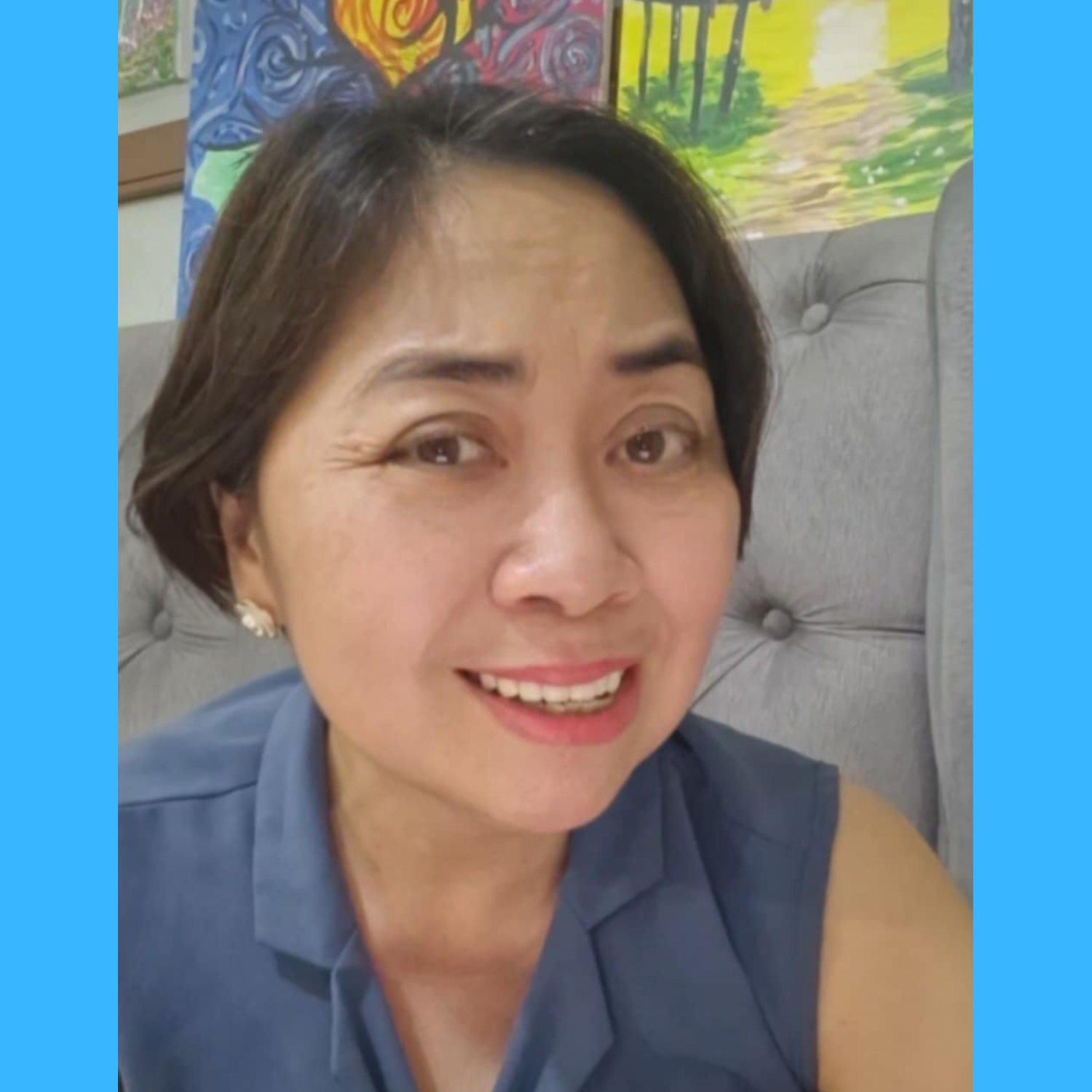
Rahmah Delima Putri: Playing for Indonesia While Living with Type 1 Diabetes: Rahmah's Story of Courage and Determination
Edited: 27.08.2026
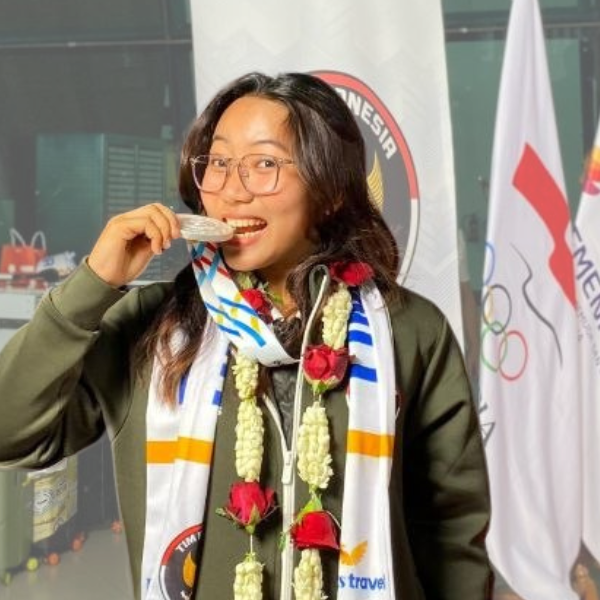

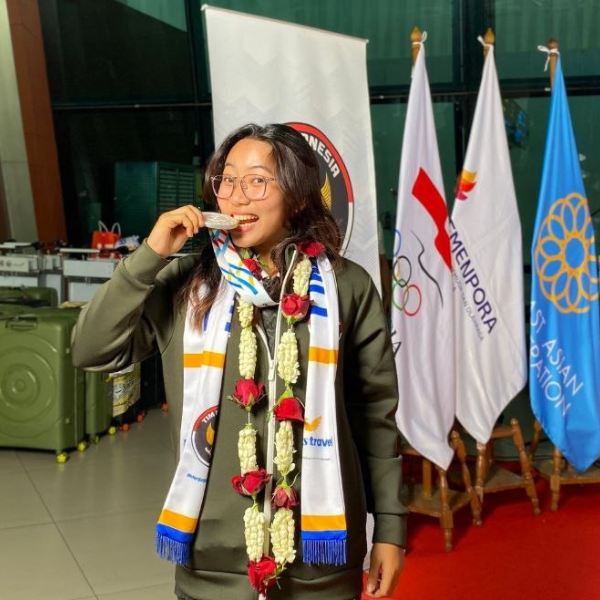
Representing Indonesia on the international stage is a dream shared by many athletes. For Rahmah, that dream became a reality through Baseball5, a fast-paced, dynamic sport that demands agility, teamwork, and mental resilience. Behind every match, however, lies another challenge that few people know about: Rahmah lives with Type 1 Diabetes.
Her journey has never been easy. While dedicating herself to intense training and national competitions, she also manages a lifelong autoimmune condition that requires constant attention.
"I was drawn to Baseball5 because it is dynamic and relies heavily on teamwork," Rahmah shares. "As I progressed, I was honored to join the Indonesian National Team. At the same time, I had to learn how to live with Type 1 Diabetes by carefully managing my meals, insulin, and blood glucose levels."
Like many people newly diagnosed with Type 1 Diabetes, Rahmah initially questioned whether she could continue pursuing elite sports.
"There were moments when I wondered if I would still be able to compete at a high level because of the demanding physical training. But instead of seeing diabetes as something that would stop me, I chose to see it as a challenge that I could manage every day. Diabetes is not a barrier to achieving my dreams."
Managing Every Training Session
For an elite athlete with Type 1 Diabetes, every practice session requires preparation beyond physical training.
"The biggest challenge is that intense exercise can make my blood glucose change very quickly, it can either drop or rise unexpectedly," she explains.
Before every training session and competition, Rahmah carefully checks her glucose levels using both finger-stick testing and digital monitoring. She plans her meals, adjusts her insulin when needed, and always carries snacks or sugary drinks in case of hypoglycemia.
"My mother has been one of my strongest supporters. We regularly discuss my condition so I can stay healthy while performing at my best."
A Hidden Reality
Despite competing at the highest level, there is one aspect of her life that remains unknown to many around her.
Rahmah has chosen not to tell her coaches or teammates that she lives with Type 1 Diabetes.
It is not because she is ashamed of her condition.
Rather, she worries that the lack of understanding surrounding Type 1 Diabetes may lead others to wrongly assume that she is unable to compete safely or perform at the same level as other athletes.
"I am not afraid of people knowing that I have Type 1 Diabetes because I am ashamed. I am worried because many people still do not understand what Type 1 Diabetes is. There is a misconception that people with diabetes cannot be active or play sports competitively."
For Rahmah, keeping this part of her life private has been a way to avoid being judged based on misconceptions rather than her abilities.
Her story reflects a challenge faced by many people living with Type 1 Diabetes, not the condition itself, but the stigma and limited awareness surrounding it.
Choosing Determination Over Doubt
There have been difficult moments.
"There were times when my body didn't perform the way I expected. I felt disappointed and questioned whether I could continue competing."
What keeps her moving forward is remembering why she started.
"I want to make my family proud and represent Indonesia with my best performance."
She credits her parents, coaches, teammates, and loved ones for giving her the strength to continue, even if they do not all know the full story behind her daily diabetes management.
"Every challenge can be overcome if we have determination, discipline, and never stop believing in ourselves."
Breaking the Myths
Rahmah hopes her story will help correct common misconceptions about Type 1 Diabetes.
"Many people think Type 1 Diabetes happens because someone eats too much sugar, or that people with diabetes cannot participate in sports. Neither is true."
She emphasizes that Type 1 Diabetes is an autoimmune condition and is fundamentally different from Type 2 Diabetes.
"With proper treatment and self-management, people with Type 1 Diabetes can live active lives and even compete as elite athletes."
A Message to Young People with Type 1 Diabetes
To children and young people living with Type 1 Diabetes, Rahmah offers a message of hope.
"Never let diabetes define the limits of your dreams. We may have to be more disciplined than others, but that does not mean we cannot succeed."
She encourages them to learn about their bodies, follow medical advice, and never be afraid to pursue new opportunities.
"If we are willing to work hard, stay disciplined, and believe in ourselves, we can achieve our goals. Type 1 Diabetes is not a barrier to success, it is simply one part of our journey."
Rahmah's story is a reminder that the greatest obstacles are often not physical, but societal. Greater awareness and understanding of Type 1 Diabetes will help ensure that people are judged by their talent, dedication, and determination, not by misconceptions about a medical condition.
Explore more articles


 Back to homepage


UK registered charity no. 1166447
9 Parkfield Road, Taunton, Somerset
TA1 4RL, United Kingdom
admin@action4diabetes.org