
Johanah Co
Type 1 Diabetes Advocate

Na-edit: 27.08.2026


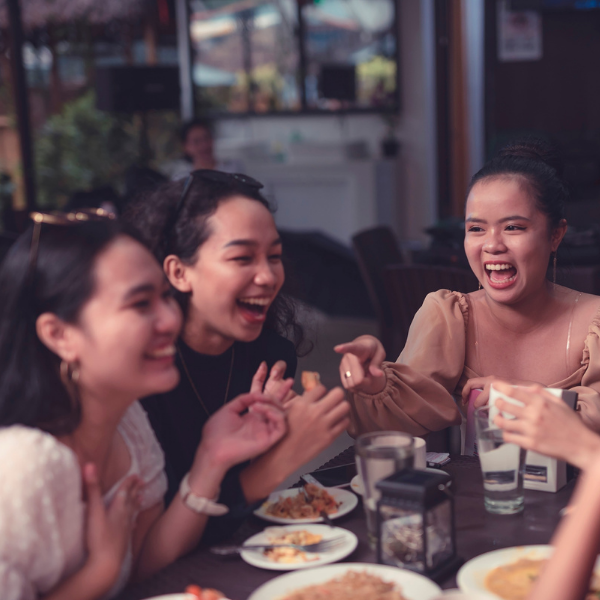
Naranasan mo na bang pakiramdamin na ang Type 1 Diabetes (T1D) ay parang hindi nakikitang boss na dapat mong pagsilbihan 24/7?
Sa simula, ang pakiramdam na iyon ay totoo. Sa maraming komunidad sa Asya, bihira pag-usapan ang T1D at madalas itong hindi nauunawaan. Ngunit hindi ka nag-iisa, at hindi dito nagtatapos ang iyong buhay. Kahit inaayos mo ang iyong pagkain upang umangkop sa mga tradisyon ng pamilya o tahimik na hinaharap ang stigma, mahalaga ang iyong paglalakbay sa T1D.
Kilalanin si Ron Aves, na na-diagnose noong 2017. Ibinahagi niya:
“Tulad ng T1D mismo, ang mga pagbabago sa pagkain at pamumuhay ay naging labis na nakakagulat para sa akin. Wala akong choice kundi mag-adjust nang dahan-dahan kung gusto kong mamuhay nang normal. Naalala ko pa rin kung gaano kabigat ang pakiramdam ng aking diagnosis at kung gaano kadesperado ang taong iyon. Para sa sinumang nagsisimula pa lamang sa paglalakbay na ito — narito ang isang mainit na yakap. Ang T1D ay isang marapon, hindi isang sprint. Ang layunin mo ay hanapin kung ano ang gumagana para sa iyo at bumuo ng isang malusog na relasyon sa T1D.”
Marami sa may T1D ang hindi lamang nakakaligtas—sila ay umuunlad. Kahit sa mga lugar kung saan tila limitado ang pag-access sa pangangalaga o suporta, marami sa mga Asyano na may T1D ang nakakahanap ng mga paraan upang umunlad, tahimik, matapang, araw-araw.
Habang nagbabasa ka, maaaring matagpuan mo ang susi.
Ngayon tingnan natin kung paano sinusuportahan ng agham ang mga pang-araw-araw na pagpili.
ng pamamahala sa T1D ay higit pa sa insulin. Nangangahulugan ito ng pag-aalaga sa buong sarili — pagkain ng tama, mas maraming paggalaw, pagkakaroon ng kalidad na tulog, pag-aalaga sa kalusugan ng isip, pag-iwas sa paninigarilyo, at pag-abot sa mga sistema ng suporta kapag kinakailangan. Ang mga taong may T1D at ang kanilang mga koponang pangkalusugan ay dapat magtulungan upang lumikha ng mga plano sa pangangalaga na makabuluhan at sumusuporta (inaangkop mula sa American Diabetes Association, 2017).
Batay sa agham, narito ang ilang mga tip na inirerekomenda ng mga eksperto at organisasyon, tulad ng ADA.
Ang PAGBILANG NG CARBOHYDRATE ay tumutulong sa mga taong may T1D na ayusin ang kanilang insulin batay sa mga carbohydrate na kanilang kinakain. Ang pamamaraang ito ay nagbibigay-daan sa kanila na mas marami ang pagpipiliang pagkain habang pinananatiling matatag ang asukal sa dugo. Ang layunin ay tulungan ang mga taong may T1D—at yaong nasa panganib—na maunawaan kung paano makatutulong ang malusog na pagkain sa pagpapababa ng tsansa na magkaroon ng diabetes o iba pang seryosong isyu sa kalusugan (Van Horn, 2007).
Pinakaapektuhan ng carbohydrates ang asukal sa dugo. Ipinapakita ng pananaliksik na ang taba, protina, at ang glycaemic index ay nakakaapekto rin dito at dapat isaalang-alang kapag kinakalkula ang dosis ng insulin. Mahalaga rin ang timing—tulad ng pre-bolusing, na nangangahulugang mag-iniksyon ng insulin ilang minuto bago kumain (Marsh, 2022).
Ang malusog na pagkain ay higit pa sa asukal sa dugo—nakakatulong itong maramdaman mo ang iyong pinakamahusay na kalagayan at bumuo ng positibong relasyon sa pagkain. Ang matatalinong pagpili ay nagbibigay-lakas sa iyong katawan at sumusuporta sa pang-araw-araw na pamamahala ng diyabetis (Tips for Eating Well, n.d.).
BATAYANG KAALAMAN SA MALUSOG NA PAGKAIN mula sa Tips for Eating Well (n.d.):
* Punuin ang kalahati ng iyong plato ng mga gulay na walang starch.
* Pumili ng mga proteinang walang taba o mula sa halaman.
* Isama ang buong butil, prutas, mga starchy na gulay, at mababang-taba na gatas.
* Limitahan ang idinagdag na asukal at mga pinrosesong pagkain.
* Magdagdag ng malulusog na taba tulad ng mani at olive oil.
* Uminom ng tubig o mga inuming walang kaloriya.
Mahalaga ang ating pamumuhay! Ibinahagi ng American Diabetes Association Professional Practice Committee (2025) ang mga kapaki-pakinabang na tip para sa kabataan na may T1D:
GUMALAW NG MAS MARAMI, MAS MARARAMDAMAN ANG KABUTIHAN: Ang pagiging aktibo ay nagpapabuti ng iyong enerhiya, asukal sa dugo, at pangkalahatang kalusugan.
Huwag Masyadong Upo, Maglaro ng Matalino: Panatilihin ang oras sa harap ng screen sa ilalim ng 2 oras sa isang araw. Mas kaunting pag-upo = mas maayos na kontrol sa asukal at mas magandang mood.
MAHALAGA ANG MOOD: Ang pagkain ng maayos at pagiging aktibo ay nakakatulong mabawasan ang stress. Ang pakikipag-usap sa isang therapist ay maaaring turuan ka kung paano nagtutulungan ang iyong mga iniisip, damdamin, at kilos upang mapabuti ang iyong pakiramdam.
SURIIN ANG IYONG RUTINA: Ang pagtulog, paglilipat ng trabaho, at mga gawi sa katapusan ng linggo ay nakakaapekto sa iyong asukal sa dugo, timbang, at iba pa.
Alam natin na mula sa sandaling ma-diagnose ang isang tao na may T1D, mahalaga na magpatupad ng mga malusog na gawi sa pamumuhay — lalo na ang mga pattern ng pagkain na nakakatulong sa iyo na mabuhay nang maayos at masiyahan sa buhay, kahit na may kondisyong ito.
Ang pamumuhay na may T1D ay madalas nangangahulugang pagiging maingat sa iyong kalusugan. Makakatulong ang mga alituntunin, ngunit hindi angkop sa lahat ang mahigpit na mga patakaran.
Si Annie Lugay, na nabubuhay na may T1D sa loob ng 43 taon, ay nagbabahagi:
“Hindi ako naniniwala sa mahigpit na pagbawal sa pagkain — nagiging maingat lang ako.”
Kaya, paano niya ito ginagawa?
Narito ang mga pangunahing tip ni Annie:
KUMAIN NG MABUTI, PAIIRALIN ITO: “Binibilang ko ang aking carbs, binabantayan ang aking mga bahagi, at ina-adjust ang insulin kung kinakailangan. Kung kumakain ako ng mas marami, mas gumagalaw ako. Pinapahalagahan ko ang pagkain, ngunit pinaiiralan ko ito para sa akin — lalo na sa gabi kapag nililimitahan ko ang carbs sa 15–30 gramo.”
KUMILOS NG MADALAS, PABABA MAN O KONTI: “Ang sobrang pag-upo ay maaaring magpataas ng aking lebel ng asukal sa dugo. Kaya, nagse-set ako ng timer at nagkakaroon ng maiikling 5-minutong pahinga para mag-unat, mabilis na maglakad ng tatlong beses sa isang linggo, gumawa ng magaang na galaw, o layunin ang 5,000 hakbang araw-araw.”
Igalang ang Iyong Tulog: Ang tulog ay nakakapagbago ng laro. Natutulog ako ng alas-9 o alas-10 ng gabi at nakakakuha ng hindi bababa sa 6–7 oras. Mas mabuting tulog = mas mabuting asukal sa dugo. Tinuturing ko ang pahinga bilang bahagi ng aking planong pangangalaga, hindi bilang luho.
Ang pamumuhay na may T1D ay hindi madali—at ayos lang iyon. Hindi mo kailangan na malaman ang lahat ngayon.
Si Ron Aves, na ngayon ay may siyam na taon na sa kanyang paglalakbay sa T1D, ay nagbabahagi:
Natutuhan ko sa loob ng siyam na taon na kahit gaano ko subukang kontrolin ang mga bagay na nakakaapekto sa aking blood sugar, may mga pagkakataon pa rin na nagkakamali ako at hindi ko pa nga alam kung bakit. At ayos lang iyon, kahit hindi ka pa handa na paniwalaan ito.
Ito ang mga larangan na nagdala ng pinakamalaking pagbabago para sa akin:
PAGTALA NG AKING MGA PATTERNS: Gaano karaming insulin ang kinuha ko, kung ano ang aking kinain, at kung ano ang aking asukal sa dugo pagkatapos. Malaya kang magdagdag ng iba pang mga salik habang nagpapatuloy — magsimula lamang nang paunti-unti.
REGULAR NA PISIKAL NA AKTIBIDAD: Paglalakad, pagtakbo, o pagbubuhat; alinman ang pinaka-maginhawa para sa iyo.
UGNAYAN AT KOMUNIDAD: Humanap ng isang tao na makakausap tungkol sa iyong mga paghihirap. Walang gantimpala sa pagbubuhat ng pasaning ito mag-isa.
Ang susi ay ang mabuhay na may T1D, hindi para dito.
Laban sa lahat ng posibilidad…
Kumakain tayo ng maayos para maging maayos ang pakiramdam.
Kumakilos kami upang manatiling malakas.
Hindi lang kami nabubuhay—namamayagpag kami. Kaya mo rin.
 Paunawa:



Rehistradong kawanggawa sa UK, blg. 1166447
9 Parkfield Road, Taunton, Somerset
TA1 4RL, United Kingdom
admin@action4diabetes.org


 Close this window



 Bumalik sa homepage


