Johanah Co
Type 1 Diabetes Advocate
Na-edit: 27.08.2026


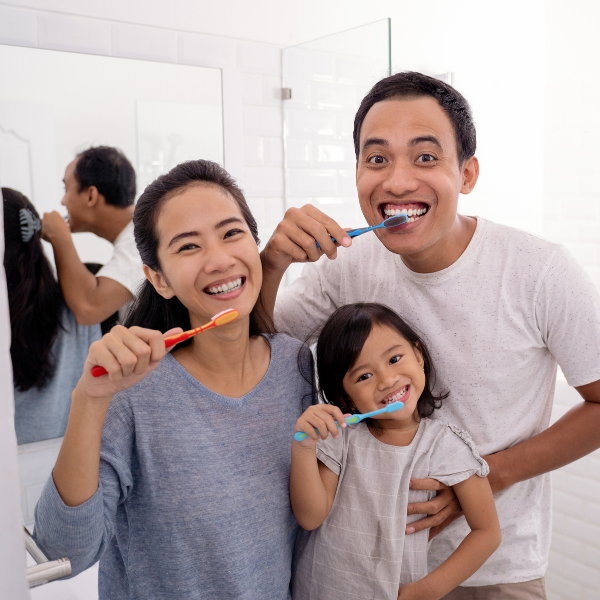
Mabilis ang takbo ng buhay. Kahit ikaw ay estudyante, magulang, abalang propesyonal, o tagapag-alaga, at namamahala ng Type 1 Diabetes (T1D), madali lang kalimutan ang pangangalaga sa ngipin.
Ngunit narito ang katotohanan: mahalaga ang kalusugan ng bibig. Ang mahinang kalusugan ng ngipin ay maaaring magdulot ng sakit, impeksiyon, at nagpapahirap sa pamamahala ng asukal sa dugo. Ang pagsisipilyo, paggamit ng dental floss, at regular na pagbisita sa dentista ay higit pa sa magagandang gawi, bahagi ito ng pagiging malusog sa T1D.
Mas konektado kaysa sa iniisip mo ang iyong bibig at blood sugar. Makakatulong ang malusog na gilagid upang panatilihing matatag ang antas ng blood sugar. Ngunit kung namamaga, masakit, o madaling dumugo ang iyong gilagid, maaaring ito ay mga palatandaan ng sakit sa gilagid, na nagpapahirap sa pamamahala ng diabetes.
Mas malamang na magkaroon ng sakit sa gilagid ang mga taong may T1D dahil pinahihina ng mataas na asukal sa dugo ang immune system ng katawan at nagpapabagal sa paggaling. Napag-alaman na ang malubhang sakit sa gilagid, na tinatawag na periodontitis, ay maaaring magdulot ng pamamaga sa buong katawan (Pussinen at Salomaa, 2018). Maaari nitong pataasin ang panganib ng mga problema sa puso, bato, at iba pang mga organo. Kapag hindi maayos ang pamamahala ng diabetes, mas mahirap para sa katawan na labanan ang mga impeksyon at maghilom, na nagpapalala sa sakit sa gilagid.
Ang mga taong may T1D ay madalas na may mababang asukal sa dugo sa gabi, na tinatawag na hypoglycemia. Ang pangunahing layunin ay ayusin ito agad sa pamamagitan ng pagkain o pag-inom ng mabilis na asukal tulad ng kendi o juice. Ngunit pagkatapos nito, madalas nakakaligtaan ang pangangalaga sa bibig.
Kapag ang pH sa iyong bibig (na sumusukat kung gaano ka-asido o ka-basic ang isang bagay) ay hindi bumabalik sa normal pagkatapos uminom o kumain ng matatamis o maaasido para sa mababang asukal sa dugo, maaari nitong masaktan ang iyong enamel (ang matigas na panlabas na patong na nagpoprotekta sa iyong mga ngipin). Pinapakain ng asukal ang mga bakterya sa iyong bibig, lalo silang gumagawa ng asido na nagpapahina sa enamel. Sa paglipas ng panahon, maaari itong magdulot ng mga butas sa ngipin, sakit sa gilagid, at iba pang problema sa ngipin.
Matututo tayo mula sa paglalakbay ni Jyotsana Rangeen na namumuhay na may T1D sa loob ng 9 na taon:
Ang mababang asukal sa hatinggabi ay isa sa mga nakatagong hamon ng T1D - lalo na kapag ikaw ay kalahating natutulog, umaabot para sa juice o kendi. Napansin ko na apektado ng asukal ang aking kalusugan sa ngipin kung hindi ako nagsisipilyo pagkatapos.
Nakakita ako ng maagang palatandaan ng pagkasira ng enamel, kaya naging mas maingat ako sa aking panggabing pangangalaga sa ngipin. Ngayon, may malambot akong sipilyo at fluoride rinse sa tabi ng aking kama. Ang mga maliliit na gawi na ito ay may malaking epekto. Ang may kumpiyansang ngiti ay nakakatulong sa akin na makaramdam ng mabuti, kahit sa gitna ng kaguluhan ng T1D. Nagpapasalamat ako sa mga aral na itinuturo sa akin ng paglalakbay na ito araw-araw!
Ayon sa World Health Organization (2017) at sa 2015 Global Burden of Disease Study, ang pagkabulok ng ngipin ay isa sa mga pinaka-karaniwang problema sa kalusugan sa buong mundo. Nangyayari ito kapag ang mga tao ay kumakain ng labis na asukal at hindi maayos na nililinis ang kanilang ngipin. Kung hindi malulunasan, maaari itong magdulot ng pananakit, impeksyon, at kahirapan sa pagkain o pagtulog, at maaaring makaapekto pa sa paglaki at pangkalahatang kalusugan. Sa mga lugar na limitado ang access sa pangangalaga, maraming tao ang pinatatanggalan ng ngipin dahil sa kakulangan ng abot-kayang serbisyong dental.
Si Dr. Dominika Antoniszczak, isang dentista mula sa Poland na may T1D sa loob ng 7 taon, ay nagtanong sa kanyang pananaliksik, “sa palagay mo ba nilagyan ko ng sipilyo ang aking ngipin pagkatapos ng isang 3 a.m. hypo?” Ang kanyang pag-aaral ay sumiyasat sa mga tunay na paghihirap na nararanasan ng mga taong may T1D sa pangangalaga sa ngipin.
Narito ang mga pananaw mula sa mga taong may T1D (D. M. V. Antoniszczak et al., 2022):
Lalaki, may T1D sa loob ng 19 na taon, “Nagkaroon ako ng sakit sa gilagid noong ako ay 29 na taong gulang. Ang hindi magandang kontrol sa asukal sa dugo noong aking kabataan ang nagpalala nito. Apektado na rin ngayon ang aking kalusugan sa isip.”
Babae, may T1D sa loob ng 25 taon, “Iiiwasan ko ang juice ng prutas dahil ito ay maasim at nagdudulot ng pagkabulok ng ngipin, pero ito rin ang pinakamahusay na lunas sa mababang asukal.”
Lalaki, T1D sa loob ng 40 taon, “Bago ako gumamit ng continuous glucose monitoring (CGM), madalas akong magkaroon ng hypos sa gabi at maraming problema sa ngipin. Simula nang gumamit ako ng CGM, bihira na akong magkaroon ng hypos sa gabi, at ayos naman ang aking mga ngipin.”
Narito ang mga tip mula kay Dr. Dominika tungkol sa paghawak ng mga nighttime hypo, lalo na para sa mga taong nahihirapan sa pangangalaga sa bibig pagkatapos nito:
Pagkatapos ng mababang antas sa gabi, bumuo ng ugali na banlawan ang iyong bibig ng tubig o mouthwash bago bumalik sa pagtulog.
Gumamit ng toothpaste na may fluoride (itanong sa iyong dentista ang tamang antas ng fluoride) at mag-floss nang regular.
Kumonsulta sa isang periodontist, isang dentista na dalubhasa sa sakit sa gilagid, para sa tamang pangangalaga.
Ang pagpapanatili ng antas ng asukal sa dugo sa loob ng 70–180 mg/dL (3.9–10 mmol/L) sa hindi bababa sa 70% ng araw (mga 16 na oras) ay sumusuporta sa malakas na kalusugan ng ngipin at pangkalahatang kalusugan. Gayunpaman, makipag-usap sa iyong koponan sa pangangalaga ng diabetes, dahil maaaring magbago ang mga target.
Hanapin ang iyong smile team! Bumisita sa dentista tuwing anim na buwan o mas madalas kung kinakailangan. Ang mga check-up ay makakatulong na maagapan ang mga problema nang maaga at maiwasan ang pagkabulok ng ngipin at sakit sa gilagid.
Ang magandang balita? Maliliit na araw-araw na gawi ay may malaking epekto. Ang pagsisipilyo, paggamit ng dental floss, at pagpunta sa periodontist ay nagpoprotekta sa parehong bibig at katawan. Ang malusog na bibig ay sumusuporta sa malusog na buhay, lalo na sa T1D.
Mayroon bang gabay? Maaari mong tingnan ang gabay na ito kung paano maghanda para sa iyong appointment sa dentista (D. Antoniszczak & Periodontitis-Diabetes Hub, n.d.)
Tandaan: Mahalaga ang maliliit na hakbang. Sa pagkakaroon ng konsistensya at kamalayan, maaari mong mapanatiling maliwanag ang iyong ngiti at maayos ang iyong kalusugan sa mahabang panahon.
 Paunawa:


Rehistradong kawanggawa sa UK, blg. 1166447
9 Parkfield Road, Taunton, Somerset
TA1 4RL, United Kingdom
admin@action4diabetes.org


 Close this window



 Bumalik sa homepage


